Why Aftercare Is Essential for Skin Recovery and Results
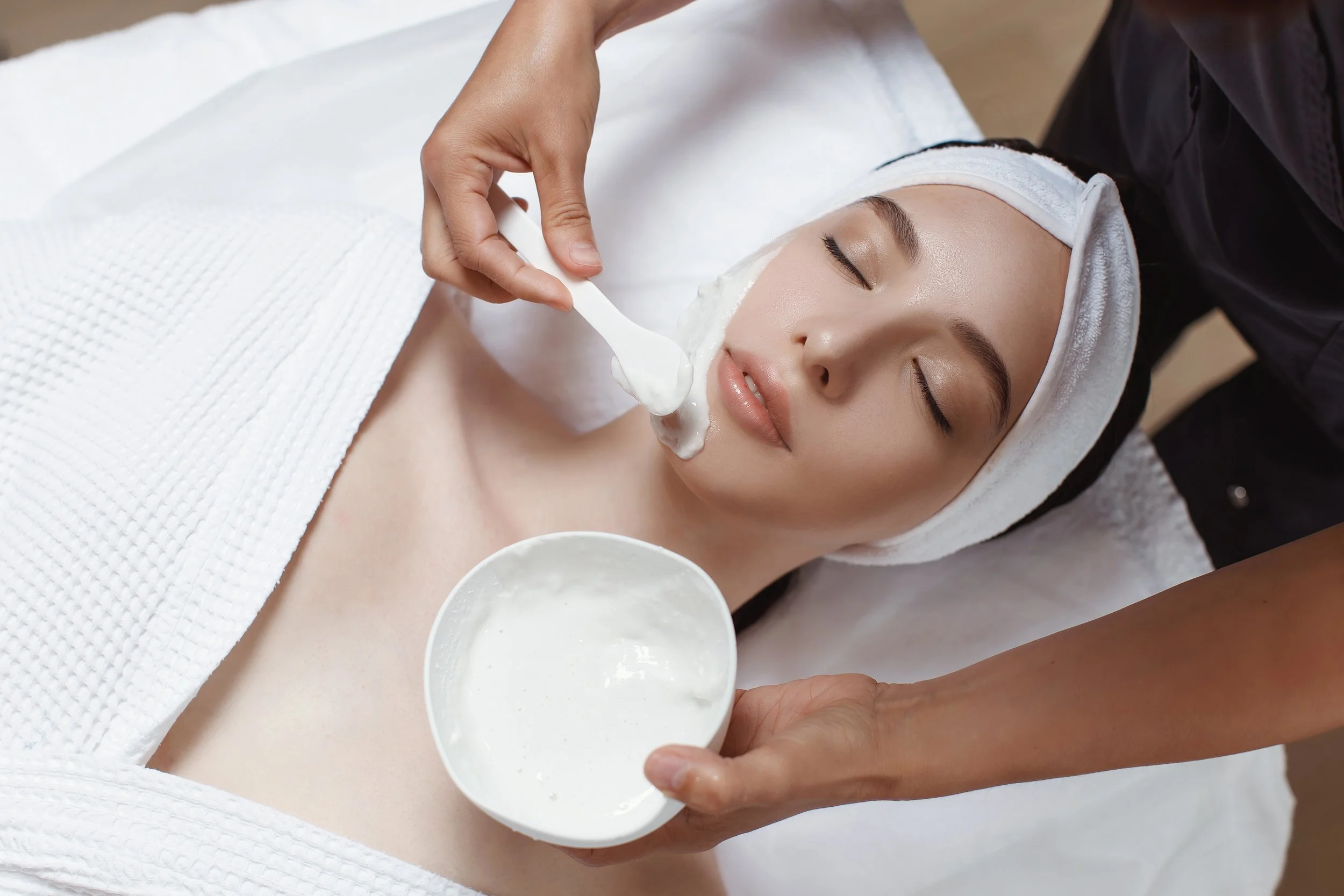
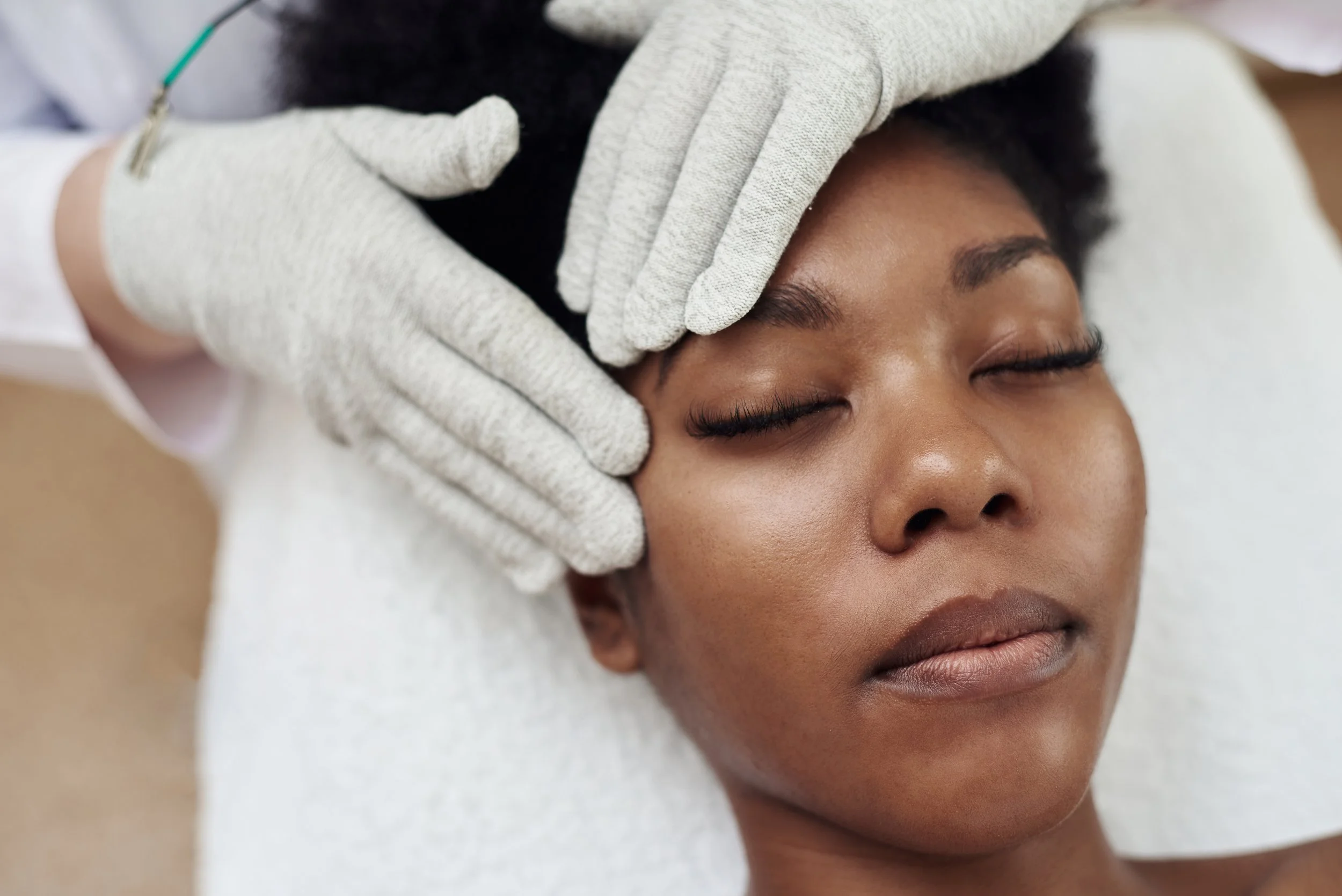
In modern dermatology and aesthetic medicine, professional skin treatments are designed to stimulate the skin’s natural regenerative processes. While these treatments can significantly improve the appearance and health of the skin, their success depends heavily on appropriate post-treatment care.
Aftercare is an essential component of any skin treatment plan because it supports the healing process, protects the skin barrier, and helps maintain the results achieved during the procedure.
The skin’s healing response
Many aesthetic treatments work by creating controlled stimulation within the skin. This stimulation triggers the body’s natural repair mechanisms, which include inflammation, tissue remodeling, and collagen synthesis.
During this recovery period, the skin becomes temporarily more sensitive and vulnerable to environmental factors such as ultraviolet radiation and pollution.
Supporting the skin during this phase is crucial for optimal healing.
Protecting the skin barrier
The epidermal barrier plays a vital role in maintaining hydration and preventing external irritants from entering the skin.
Certain procedures, including chemical peels, microneedling, or laser treatments, may temporarily disrupt this barrier as part of the rejuvenation process.
Aftercare products are therefore designed to soothe the skin, reduce inflammation, and restore barrier function.
These products typically contain ingredients that support skin repair, such as:
• ceramides
• panthenol
• peptides
• antioxidants
• hyaluronic acid
Maintaining adequate hydration during this period also helps accelerate recovery.
The importance of sun protection after treatments
Sun protection becomes particularly important following skin treatments.
Because many procedures increase cellular turnover and expose fresh skin cells, the skin becomes more susceptible to ultraviolet damage. Without proper protection, this can increase the risk of pigmentation changes or inflammation.
Using broad-spectrum sunscreen and minimizing sun exposure during the healing phase helps protect the skin and preserve treatment outcomes.
Supporting collagen remodeling
For treatments that stimulate collagen production, such as microneedling or radiofrequency procedures, the remodeling process continues for several weeks or even months.
Providing the skin with appropriate nutrients and avoiding excessive irritation allows fibroblasts to produce collagen more effectively.
This means that post-treatment care is not only about protecting the skin immediately after a procedure but also about supporting the long-term regenerative process.
Maintaining long-term results
The skin is constantly evolving in response to internal and external factors. Even the most advanced treatments cannot replace the importance of daily skincare habits.
Consistent routines that include cleansing, hydration, antioxidant protection, and sun protection help maintain the improvements achieved through professional treatments.
By supporting the skin’s natural repair mechanisms, proper aftercare allows treatments to deliver their full potential and contributes to healthier, more resilient skin over time.